Explore our flagship heavy-duty hydraulic lifting systems certified to ISO9001, CE, and JB/T 9229 standards.
Analyzing Modern Ergonomics, Structural Integrity, and Supply Chain Optimizations in Sezer & Sinolift Lifting Systems
In modern industrial manufacturing and global logistical networks, vertical material movement represents one of the most critical throughput bottlenecks. A reliable Sezer Lift Supplier & Service ecosystem provides the foundation for operational efficiency, workplace safety, and seamless automation integration. Dynamic industrial operations require robust lifting mechanisms engineered to endure high duty cycles, continuous heavy loadings, and extreme environmental variables.
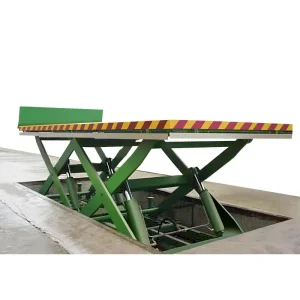
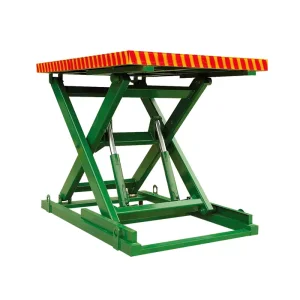
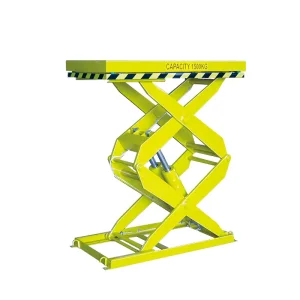
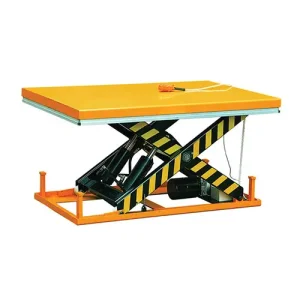
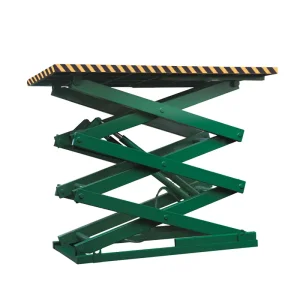
The engineering core of our stationary SJT, single SJG, multi-scissor SLG, and ultra-low profile HL/HY/HU platforms revolves around solid scissor geometry paired with high-pressure fluid power dynamics. Key structural highlights include:
Strategic geographic clusters in Shanghai and Zhejiang powering global industrial supply chains.
Headquartered in Shanghai Nanhui Industry Park (est. 2005) with expansion to Hangzhou City, Zhejiang Province in 2017. Our facilities host automated robot welding lines, shot-blasting surface treatment chambers, and precision CNC laser cutters.
To eliminate lead time bottlenecks for critical international projects, we maintain a rolling baseline inventory of over 2,000 standard hydraulic units, ready for immediate sea freight containerization.
Every Sezer and Sinolift piece of equipment undergoes rigorous testing protocols, complying fully with ISO9001, CE directives (MD 2006/42/EC), and CCMA quality assurance frameworks.
How modern hydraulic lifting equipment is evolving to match autonomous logistics and eco-friendly standards.
As modern distribution centers pivot toward warehouse automation, static lift tables are no longer isolated units. Modern SJT and SLG lift series are engineered with programmable logic controllers (PLCs), optical sensors, and bus communications (CANopen / Profinet) to sync seamlessly with AGV transport channels, conveyor belts, and automated storage/retrieval systems (ASRS).
Hydraulic lift power units are adopting variable-frequency drives (VFD) and biodegradable hydraulic fluids. By eliminating idle power draw and reducing fluid friction losses, power consumption is reduced by up to 35% compared to legacy hydraulic power units, aligning with corporate ESG sustainability goals.
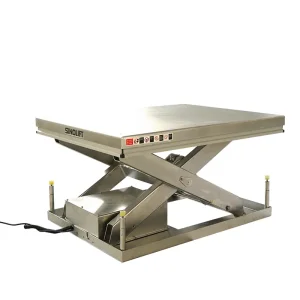
Pharmaceutical cleanrooms and food processing facilities demand non-corrosive, washable equipment. The demand for 304 and 316L stainless steel electric scissor lift tables has surged. Features include fully welded IP65 electric actuators, electropolished scissor legs, and food-grade lubricants.
By embedding vibration sensors, temperature probes, and pressure transducers into high-capacity lift tables, maintenance managers receive real-time analytics regarding seal wear, fluid degradation, and mechanical alignment, preventing unpredicted downtime.
Engineered for high performance across diverse global industrial landscape environments.
Heavy-duty SJT stationary scissor elevators function as effective floor-to-floor freight bridges, handling loads up to 10,000 kg between mezzanine levels, replacing costly permanent elevator shafts in distribution centers.
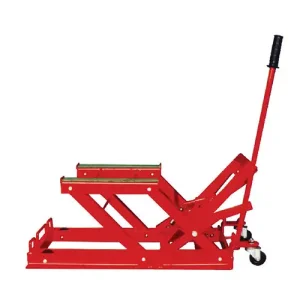
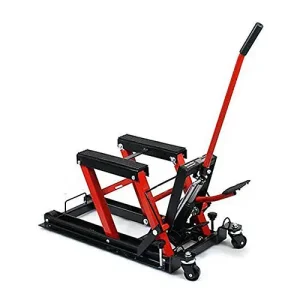
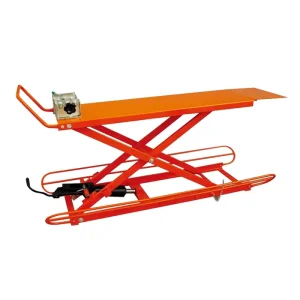
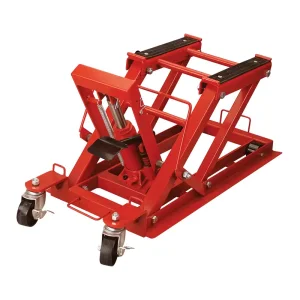
Custom ET10 motorcycle lifts and multi-stage platform elevators enable technicians to position chassis and powertrains at optimal ergonomic heights, eliminating repetitive stress injuries and boosting assembly speed.
Stainless steel fixed low-profile tables (HU / HY / HL series) resist harsh chemical washdowns, high humidity, and sub-zero storage environments down to -30°C without mechanical degradation.
A systematic methodology for engineering leads and procurement officers when sourcing lift systems.
Selecting the optimal hydraulic lifting system requires analyzing mechanical, electrical, and structural variables to achieve maximum total cost of ownership (TCO) performance. Procurement managers should evaluate:
Distinguish between uniformly distributed loads (UDL) and concentrated/rolling point loads. Elevators intended for vehicle transit require reinforced top deck structures with anti-skid chequered steel plates and structural bracing under the wheel tracks.
High-frequency production lines demand continuous duty motors (S1 duty rating), forced-air oil cooling heat exchangers, and heavy-duty wear-resistant bushing sleeves at all pivot pin joints.
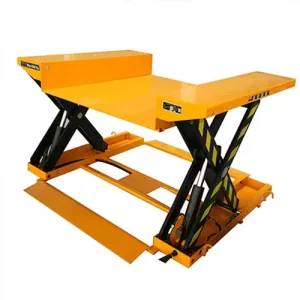
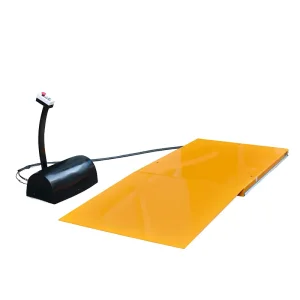
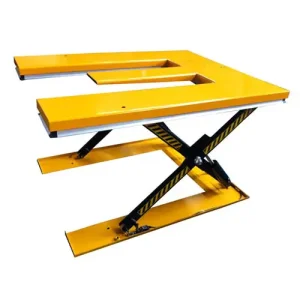
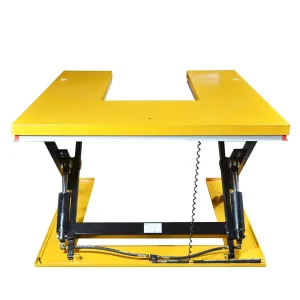
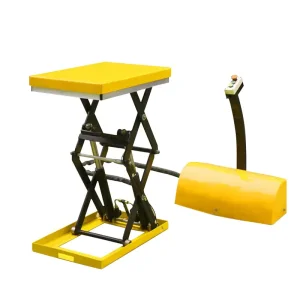
Where floor excavation is impossible, ultra-low profile lift tables (such as the HU series with minimal collapsed height down to 85mm) eliminate pit construction overhead while remaining accessible to hand pallet jacks.
Standard safety feature matrices must include perimeter aluminum safety bars (anti-pinch edge switches), explosion-proof electrical enclosures (ATEX certified for volatile environments), and mechanical locking maintenance bars.
Founded in 2005, Shanghai Sinolift Mechanical and Electrical Equipment Co., Ltd. has established itself as an authoritative leader in fluid-power material handling systems. Operating from our Shanghai Nanhui Industry Park headquarters and supported by our expanded Zhejiang manufacturing center, we deliver engineering expertise across the globe.
Whether your application demands micro-component alignment or ultra-heavy industrial cargo handling, Sinolift delivers tailored solutions built to international quality benchmarks, including ISO9001, CCMA, and European CE standardizations.
Contact Our Global Engineering Team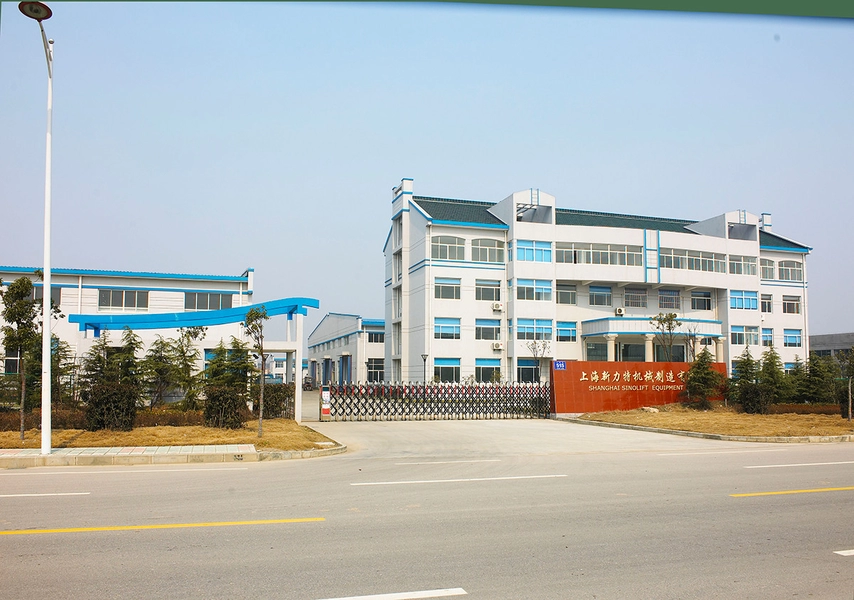
Comprehensive insights regarding hydraulic scissor platforms, customization options, and global service support.
All lift equipment is designed, fabricated, and tested in accordance with national industrial standards JB/T 9229.1(2/3)-1999 as well as European Machinery Directive standards (CE). Manufacturing units operate under strict ISO9001 quality management supervision.
Yes. Customization is one of our primary engineering advantages. We offer tailored platform sizes, extended travel heights up to 12+ meters, custom capacity ratings, 304/316 grade stainless steel construction, ATEX explosion-proof motors, and specific power supply integrations (e.g., 110V, 220V, 380V, 440V at 50/60Hz).
Low-profile lift tables feature ultra-compact collapsed profiles (as low as 85mm). U-shaped (E-type) or low-profile designs permit pallet truck forks to slide directly under or around the platform surface, enabling floor-level loading without pit excavation costs.
Our platforms are built with multi-layered safety mechanisms: perimeter aluminum safety trip bars that instantly freeze descent upon encountering obstruction, heavy-duty check valves, hose-burst safety fuses, and mechanical lock pins for maintenance work.
Standard model orders are dispatched quickly thanks to our rolling inventory reserve of 2,000+ completed units. Custom engineered lifts typically carry a production cycle of 15 to 30 days. We export directly to over 120 countries through sea, air, and multimodal logistics channels.
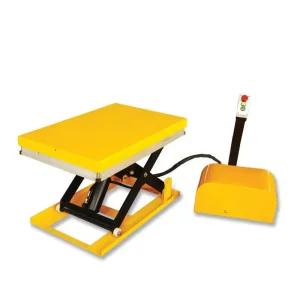
Browse additional high-performance electric platform lifts, mini lift tables, and motorcycle servicing lifts.