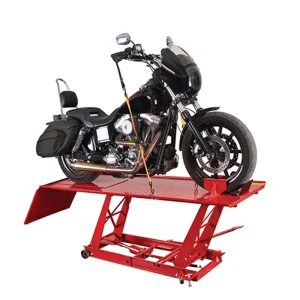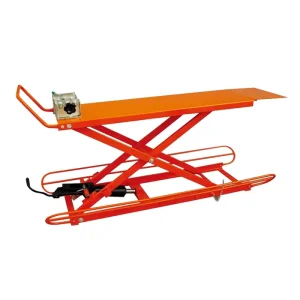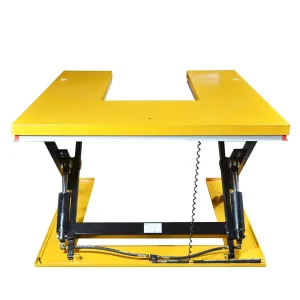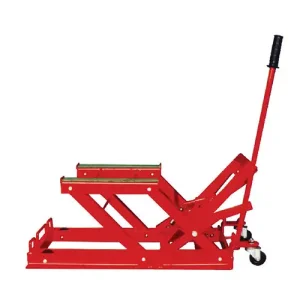
Explore our engineering-grade heavy-duty lifting equipment, manufactured under rigorous ISO9001 and CE international standards for global industrial applications.
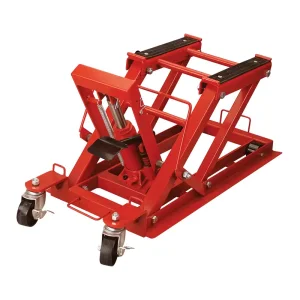
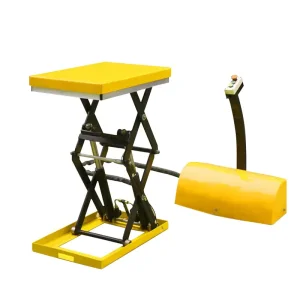
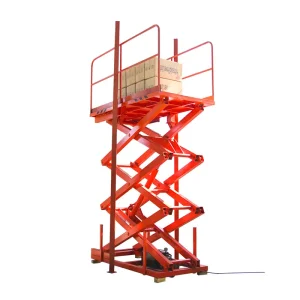
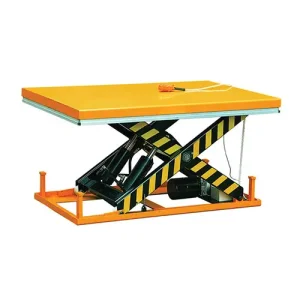
An in-depth analysis of pneumatic lifting technology, mechanical advantage calculations, ATEX risk mitigation, and modern factory automation integration.
In modern industrial manufacturing, logistics, and heavy assembly facilities, workplace ergonomics and operational safety represent fundamental metrics of enterprise efficiency. Pneumatic Lift Tables—powered by compressed air systems—have emerged as an indispensable alternative to traditional electro-hydraulic lifting mechanisms. By eliminating electrical components, high-pressure hydraulic oil systems, and dynamic spark hazards, air-actuated lift platforms offer unprecedented security in volatile processing zones, cleanroom environments, and high-frequency assembly operations.
Engineering pneumatic lift tables requires a granular understanding of fluid mechanics and pneumatic pressure distribution. Unlike conventional hydraulic units that rely on incompressible mineral oil pushed by electric motor pumps, pure pneumatic lifts utilize reinforced elastomer air bellows (air springs) or pneumatic linear cylinders driven by factory-compressed air (typically 6.0 to 8.5 bar / 87 to 123 PSI).
The primary thermodynamic advantage of compressed air lifting lies in its self-limiting nature. When overloaded, air bellows compress without generating mechanical shear stress or bursting hydraulic seals. Furthermore, pneumatic positioning systems provide intrinsic shock absorption, protecting sensitive components such as automotive electronic modules, glassware, and precision calibrated optics during loading and unloading cycles.
| Technical Parameter | Pure Pneumatic (Air Bag/Bellows) | Electro-Hydraulic Systems | Electric Mechanical Screw Lifts |
|---|---|---|---|
| Explosion Safety Rating | ATEX Zone 1/21 & 2/22 (Intrinsic Safety) | Requires Explosion-Proof Motors (Ex-d) | Requires Flameproof Enclosures |
| Power Requirement | Pneumatic Line (6-8 Bar Clean Air) | 3-Phase Electric (380V/440V) | 3-Phase / 24V DC Stepper |
| Fluid Contamination Risk | Zero (Oil-Free Operation) | High (Hydraulic Fluid Leaks) | Low (Grease Lubrication) |
| Ergonomic Auto-Leveling | Passive Air Valve Adjustment | Requires PLC & Electronic Sensors | Requires Servo Feedback Loop |
| Duty Cycle Capability | 100% Continuous (No Overheating) | Intermittent (S3/S4 Duty Limits) | Medium-High (Thermal Throttling) |
A critical engineering challenge in pneumatic lifting systems is managing air volume fluctuations caused by temperature shifts and variable payload weights (Boyle's Law: $P_1 V_1 = P_2 V_2$). Advanced OEM pneumatic lift table manufacturers solve this by integrating dynamic proportional pressure regulators and mechanical level-sensing valves. As operators place workpieces onto the platform, the mechanical linkage shifts a pneumatic control valve, instantly injecting compressed air to maintain a constant working height without human intervention. This automated ergonomic compensation reduces musculoskeletal disorders (MSDs) by up to 65% in manual palletizing operations.
How top-tier international manufacturers deploy custom pneumatic lift platforms across high-stringency industries.
In environments where volatile organic compounds (VOCs), combustible dusts, or explosive gas vapors are present (ATEX zones), electrical spark generation can lead to catastrophic incidents. Pneumatic lift tables operate on pure air logic valves and heavy-duty air bags, eliminating electric switching sparks entirely.
Hydraulic fluid leaks represent a major risk to food, beverage, and medical device assembly lines. Air-driven lift tables use dry, non-lubricated pneumatic actuators that eliminate oil contamination risks, satisfying strict FDA and GMP ISO Class 5 cleanroom standards.
Robotic paint spray booths present extreme flammability hazards combined with high-volume repetitive material positioning. Pneumatic lifts integrated into floor tracks allow automated or operator-guided height alignment of heavy chassis components with zero paint-adhesion-interfering silicone contaminants.
Sinolift is one of the leading material handling equipment manufacturers in China and a key player in the global hydraulic and pneumatic equipment industry.
Our headquarters, Shanghai Sinolift Mechanical and Electrical Equipment Co., Ltd., located in Nanhui Industry Park, was established in 2005. Starting in 2017, we expanded our footprint by investing in a third state-of-the-art manufacturing plant in Hangzhou City, Zhejiang Province. This facility is dedicated to engineering premium hydraulic and air-handling equipment, including Dock Equipment, Tail Lifts, Dock Levelers, High-Precision Lift Tables, and Aerial Access Lifts.
All Sinolift products strictly adhere to standard JB/T 9229.1(2/3)-1999 specifications. We hold rigorous international certifications including ISO9001, CCMA, and CE. Our products are exported to over 120 countries across Europe, the Americas, the Middle East, and Southeast Asia, backed by an extensive global sales and distributor support network.
Inquire About OEM Solutions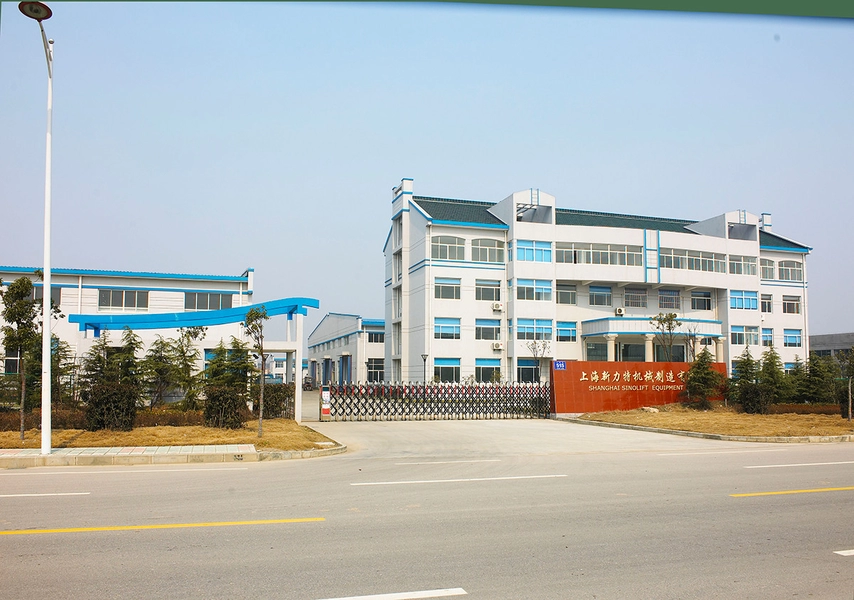
Why leading global distributors and Fortune 500 enterprises partner with Sinolift for material handling solutions.
Having completed over 5,000 successful custom installations worldwide, our engineering department brings vast application-specific expertise to every OEM project. We analyze load centers, duty cycles, and environmental factors to engineer ideal lifting solutions.
We maintain a constant buffer stock of 2,000+ units of core hydraulic and pneumatic components at our Shanghai and Hangzhou facilities. This strategic inventory depth allows Sinolift to guarantee rapid fulfillment schedules for standard orders.
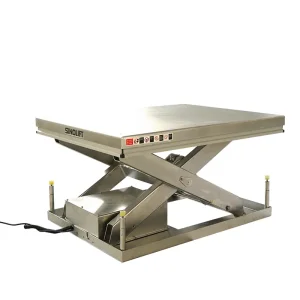
Our extensive modular engineering matrix guarantees tailored solutions for complex operational parameters. Whether your application demands rotating turntables, ball-transfer tops, stainless steel frames, or specialized air logic circuits, Sinolift delivers pinpoint customization.
Strategic engineering developments shaping the next decade of air-actuated and industrial handling equipment.
Integration of low-power Bluetooth Low Energy (BLE) and IO-Link pneumatic pressure sensors enables real-time monitoring of air bag expansion, operational cycles, and load weight data. Early diagnostic warning algorithms prevent seal wear failures before downtime occurs.
Next-generation multi-convoluted synthetic rubber air bags reinforced with high-tenacity Kevlar threading permit ultra-low collapsed heights (under 75mm) without requiring deep pit installation in factory floors.
Advanced pneumatic control blocks recapture up to 35% of exhaust air during the downward descent cycle, rerouting pressurized air back into auxiliary storage tanks or parallel lifting units, significantly reducing overall plant energy consumption.
Expanding the adoption of duplex stainless steel (2205 grade) and proprietary ceramic-coated scissor arms to extend unit service life beyond 15 years in extreme saltwater, acid washdown, and marine applications.
Expert insights regarding pneumatic lift table selection, installation, maintenance, and technical compliance.
Pneumatic lift tables use compressed air instead of electrical motors, making them inherently explosion-proof and ideal for volatile chemical or paint environments (ATEX zones). They also contain no hydraulic oil, eliminating leak risks in cleanrooms or food processing plants.
Most standard air-powered lift tables require a standard clean plant air supply ranging from 6.0 to 8.5 bar (87 to 123 PSI). Air consumption varies by load capacity and cycle frequency.
Auto-leveling pneumatic tables feature a mechanical height sensor valve. As weight is added to the table, the valve automatically admits compressed air to maintain a constant working height; as weight is removed, air exhausts to maintain ergonomic alignment.
Yes. All Sinolift equipment is designed and manufactured according to China's mechanical standard JB/T 9229.1(2/3)-1999 and carries ISO9001, CCMA, and European CE safety certifications.
Absolutely. Sinolift offers complete 304 and 316L stainless steel options, complete with washdown pneumatic valves and food-grade air bag materials for pharmaceutical and chemical applications.
While standard models are available from our 2,000+ unit stock, fully customized engineering projects generally require 3 to 5 weeks from technical drawing sign-off to factory dispatch.
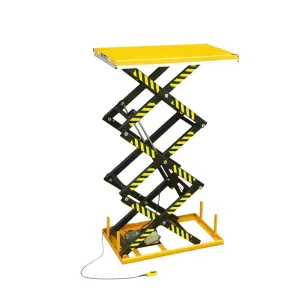
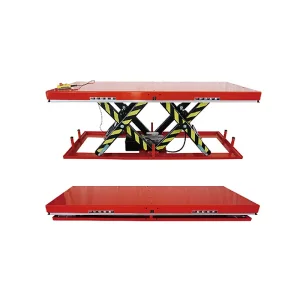
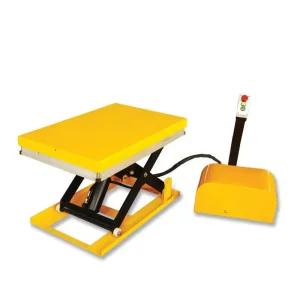
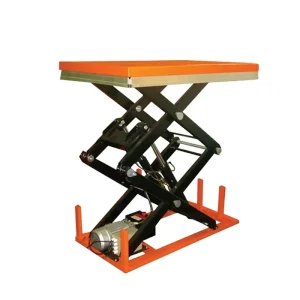
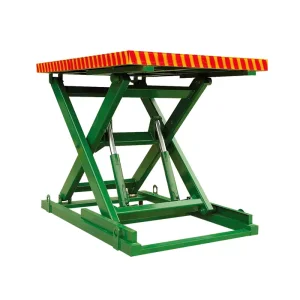
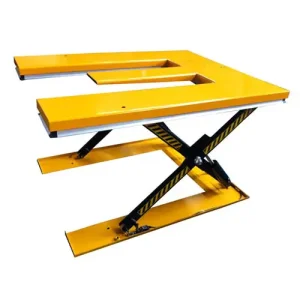
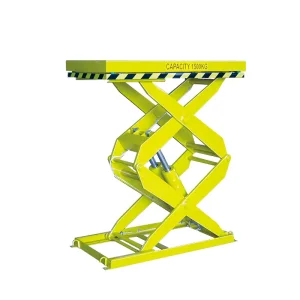
Discover our extended line of stationary electric, low-profile, double-scissor, and specialized industrial lift platforms.
Contact Sinolift's engineering department today to discuss custom pneumatic specifications, ATEX compliance requirements, or wholesale distributor pricing.