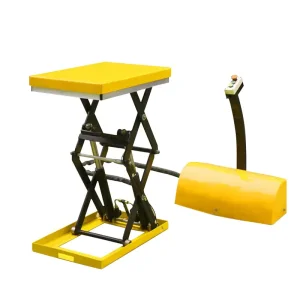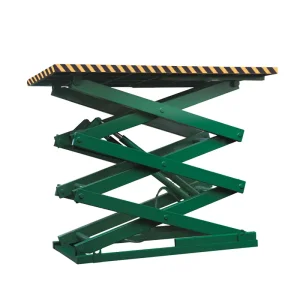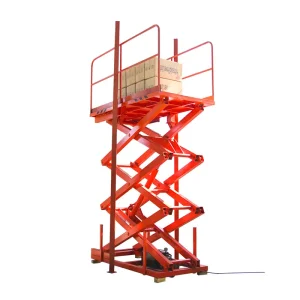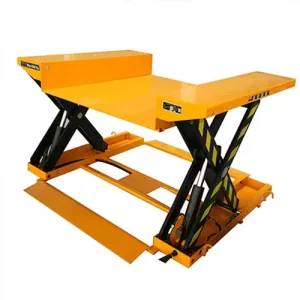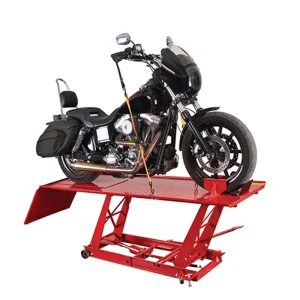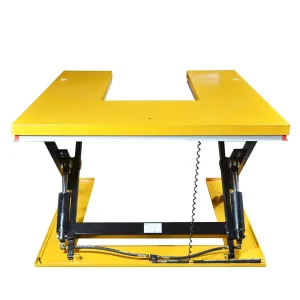
Explore our flagship series of heavy-duty, mini electric, low-profile, and stationary hydraulic scissor lifts engineered for seamless integration into modern manufacturing plants, distribution hubs, and automotive service units.
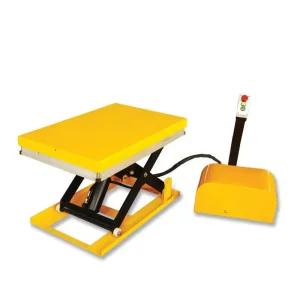
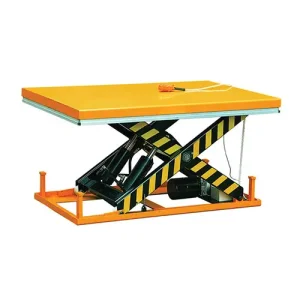
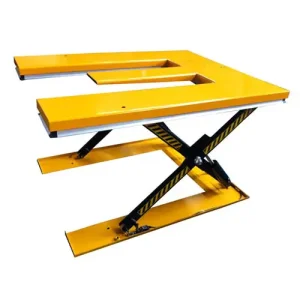
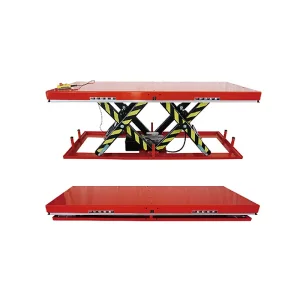
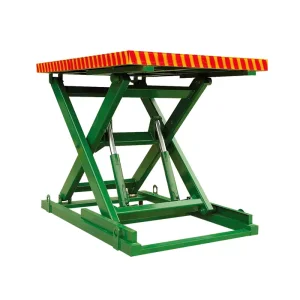
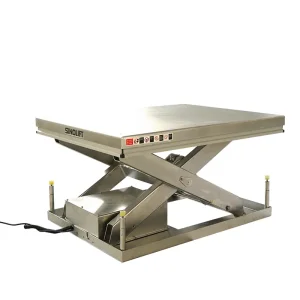
In the current globalized industrial manufacturing ecosystem, material handling efficiency directly dictates supply chain throughput, workplace ergonomics, and operational expenditure (OPEX). High-density warehousing, automated assembly lines, heavy equipment maintenance facilities, and cleanroom environments across North America, Europe, the Middle East, and Southeast Asia are increasingly standardizing their operations using heavy-duty manual hydraulic lift tables, electric scissor platform elevators, and specialized loading levelers.
As global enterprise buyers look toward China—the world’s primary industrial manufacturing hub—for sourcing hydraulic equipment, the decision-making process has shifted from pure price comparison to comprehensive total cost of ownership (TCO) evaluation. Sourcing engineers and procurement officers demand high structural integrity, adherence to rigorous international safety standardizations (such as CE, ISO9001, and JB/T 9229.1(2/3)-1999), seamless customizability, and guaranteed spare parts availability.
To provide maximum information gain for enterprise procurement managers, industrial plant directors, and OEM distributors, supply chain Intent Mining reveals three major purchasing objectives:
Focused on mitigating musculoskeletal disorders (MSDs) among assembly technicians, precision elevation control, exact mechanical tolerances, smooth hydraulic displacement, and integration into existing conveyor setups.
Priority centers on load capacity optimization (ranging from 150kg up to 10,000kg), rapid lead times, containerization packing efficiency, and robust structural safety under continuous duty cycles.
Strict focus on material traceability (e.g., 304 Stainless Steel certification), pressure relief safety valves, anti-drop velocity fuses, explosion-proof motor configurations, and CE/CCMA regulatory compliance.
At the heart of every industrial lift table lies an intricate mechanical and fluid dynamics system. Understanding the engineering architecture allows procurement teams to specify the exact equipment required for their operational parameters.
Manual hydraulic lifts utilize a precision-bored, hard-chrome plated piston rod paired with a foot-actuated pump pedal or manual lever mechanism. As fluid is forced through non-return check valves, hydraulic pressure drives the cylinder rod, elevating the scissor linkage arms. Key mechanical elements include:
| Parameter / Feature | Manual Hydraulic Lift Tables | Stationary Electric Scissor Lifts | Low-Profile (E/U-Type) Lifts | 304 Stainless Steel Lifts |
|---|---|---|---|---|
| Load Capacity Range | 150 kg – 1,500 kg | 500 kg – 10,000 kg | 500 kg – 2,000 kg | 300 kg – 2,000 kg |
| Power Source | Foot Pump / Hand Lever | 3-Phase AC 380V / 220V Motor | Remote Electro-Hydraulic Pack | Manual or AC/DC Motor |
| Primary Application | Mobile Workstations, Tooling | Pallet Handling, Cargo Elevators | Pallet Truck Direct Loading | Pharma, Cleanroom, Food Processing |
| Standard Compliance | JB/T 9229.1-1999, CE | EN 1570-1, ISO9001, CE | EN 1570-1, CE | ISO9001, GMP Compatible |
| Maintenance Profile | Ultra-low (Fluid check & Greasing) | Low (Scheduled Inspection) | Low (Hydraulic Unit Check) | Washdown Safe, Zero-Corrosion |
The next decade will see China's hydraulic manufacturing ecosystem evolve beyond traditional mechanical engineering into smart, connected lifting systems. Key technological trends currently being integrated into Sinolift products include:
1. IoT Pressure Telemetry & Predictive Maintenance: Embedding micro-sensors inside hydraulic cylinder blocks to monitor pressure spikes, fluid temperature degradation, and seal wear in real-time, transmitting alerts to plant maintenance dashboards before failure occurs.
2. Regenerative Lowering Systems: Utilizing gravity-descent fluid dynamics to drive micro-turbines, harvesting potential energy during lowering cycles to recharge battery systems on mobile electric lift units.
3. Ergonomic Auto-Leveling Sensors: Photoelectric sensors that dynamically adjust table height as items are removed or added, maintaining an optimal height for operators without manual input.
Established in 2005 with corporate headquarters in Nanhui Industry Park, Shanghai, Shanghai Sinolift Mechanical and Electrical Equipment Co., Ltd. has grown into a dominant force within China’s material handling equipment sector and the global hydraulic machinery industry.
To accommodate soaring international demand for customized logistics equipment, Sinolift expanded its footprint in 2017 with a major state-of-the-art manufacturing plant in Hangzhou City, Zhejiang Province. This facility is dedicated to engineering advanced Dock Equipment, Tail Lifts, Dock Levelers, High-Capacity Scissor Lift Tables, and Aerial Work Access Lifts.
Every machine manufactured by Sinolift strictly complies with national standard JB/T 9229.1(2/3)-1999. The company maintains certifications including ISO9001 Quality Management System, CCMA accreditation, and European CE conformity. Today, Sinolift exports to over 120 countries across Europe, the Americas, the Middle East, and Southeast Asia, backed by a robust global distributor and after-sales support network.
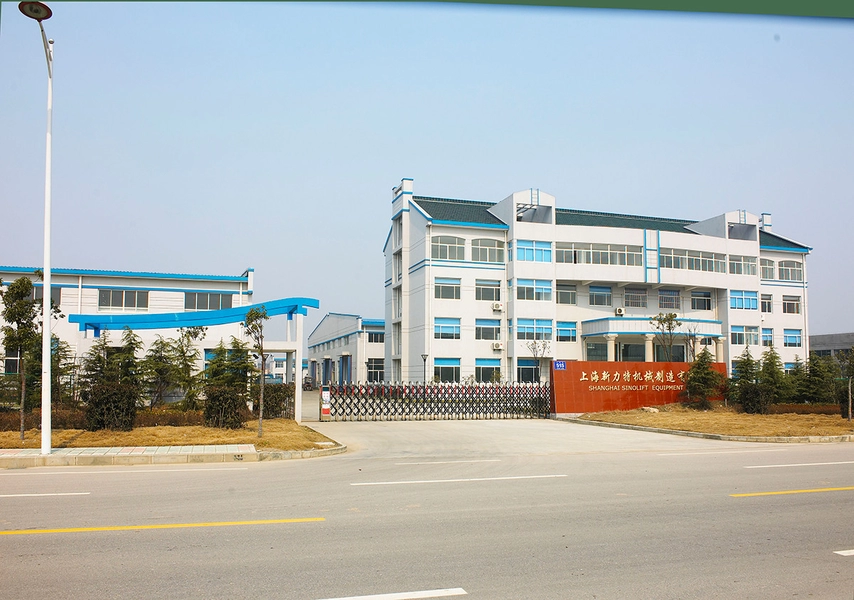


With over 5,000 successful industrial installations completed worldwide across logistics hubs, automotive assembly lines, and chemical processing facilities, Sinolift brings unmatched practical application knowledge to every project.
We take pride in maintaining the industry's broadest hydraulic handling product inventory. By keeping a minimum buffer stock of 2,000+ units, we guarantee ultra-fast dispatch and minimal lead times for urgent project expansions.
From bespoke platform dimensions, specialized load capacities, and stainless steel construction to explosion-proof electric systems and integration with automated conveyor lines, Sinolift delivers exact solutions for complex requirements.
Modern industrial facilities require tailored material elevation platforms to maximize output, ensure operator safety, and seamlessly interface with automated systems. Below is an overview of how Sinolift solutions serve key global industries:
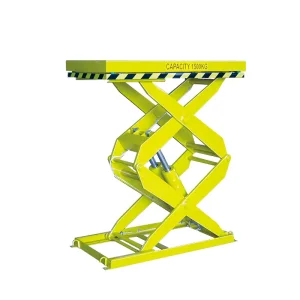
High-frequency distribution centers utilize stationary single and multi-scissor lifts (such as the SJG & SLG Series) to bridge elevation differences between warehouse floors, loading bays, and freight vehicles. Low-profile HU & HL Series lifts allow pallet trucks to roll directly onto the platform without requiring a pit installation, cutting installation civil works costs by up to 70%.
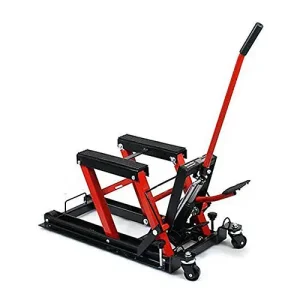
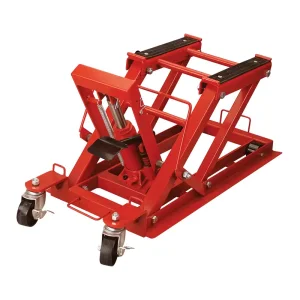
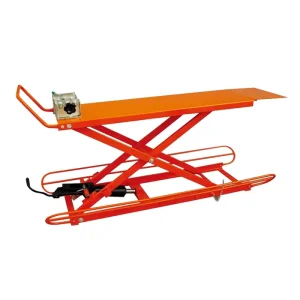
Automotive assembly plants and service workshops rely on customized hydraulic motorcycle lifts (e.g., TC150, MC500, ET10DA, ET10DC) and heavy vehicle platform lifts. Featuring integrated mechanical safety locks, anti-slip diamond tread steel decks, and foot-pedal controls, these lifts maintain precise ergonomic working heights during assembly and maintenance operations.
Hygiene-critical processing facilities require lifting equipment that withstands aggressive chemical washdowns and satisfies stringent sterile standards. Sinolift’s 304 Stainless Steel Electric Scissor Lift Tables offer passivated surfaces, food-grade hydraulic fluids, and IP65-rated sealed electrical enclosures to prevent fluid contamination and surface oxidation.
Procuring heavy machinery from overseas requires meticulous attention to international regulatory alignment, freight logistics optimization, and comprehensive risk mitigation strategies.
Sinolift machinery is engineered to satisfy global engineering standards across regional markets:
To eliminate damage during ocean transport, Sinolift implements heavy-duty export packaging standards. Machines are vacuum-sealed with moisture-absorbent desiccant packages, wrapped in heavy-gauge vapor-barrier films, and secured inside custom-built fumigated plywood crates with integrated lifting points. Flat-pack scissor design optimizes container volume, maximizing freight cost efficiency for bulk shipments.
Answers to critical engineering, technical, and supply chain queries from B2B buyers and plant engineers.
Manual hydraulic lift tables rely on a foot pedal or hand pump mechanism to displace fluid into the cylinder, making them portable and ideal for lighter duties (150kg–1500kg) without electrical infrastructure. Electric stationary lifts utilize a 3-phase or single-phase electro-hydraulic power pack, enabling rapid elevation of heavy payloads (up to 10,000kg) at the push of a button, making them suitable for high-duty cycle automated production lines.
Low-profile lift tables feature an ultra-thin collapsed height (typically only 80mm to 105mm). They are designed in either a U-shape or E-shape profile, allowing standard hand pallet trucks to roll directly between or onto the platform without requiring a ramp or recessed concrete floor pit installation.
Every Sinolift lift incorporates multi-layered safety systems: an under-platform safety trip frame to stop descent upon contact with obstacles, explosive-proof safety velocity fuses in hydraulic lines to lock descent during fluid hose rupture, mechanical safety maintenance locking bars, an emergency stop button, and overload bypass relief valves.
Yes. Over 40% of Sinolift’s production output consists of custom OEM/ODM configurations. We accommodate specific table dimensions, elevated heights up to 6 meters, custom voltage requirements (110V AC, 220V AC, 380V-460V AC 50/60Hz), remote hydraulic power packs, explosion-proof ATEX enclosures, and 304/316 stainless steel builds.
Routine maintenance includes monthly inspections of hydraulic fluid levels, checking for air bubbles in the hydraulic circuit (bleeding if necessary), greasing pivot pins and scissor arm roller tracks, and inspecting seals for wear. High-quality seals like Japanese NOK components ensure maintenance-free operation under normal industrial usage.
Production is governed by ISO 9001 certified workflows and standard JB/T 9229.1(2/3)-1999. Raw steel undergoes ultrasonic defect testing, scissor arms are cut via high-precision CNC laser systems, robot welding delivers uniform joints, and every assembled unit completes a 125% static load test and a 110% dynamic load test prior to shipment.
Discover additional specialized material handling equipment, double-scissor platforms, low-profile loaders, and heavy motorcycle maintenance lifts designed to maximize facility efficiency.