
China’s hydraulic lift-table sector serves warehouses, factories, workshops, and loading areas where stable vertical movement matters. A Hydraulic Scissor Lift Table may look simple, but its performance depends on the cylinder, pump, control valves, platform structure, and safety features working together. Small details matter: a steady lowering speed, a guarded pinch point, and a platform that stays level under load.
Industry reports offer useful context, though broad market forecasts do not prove an individual manufacturer’s quality. The International Labour Organization has highlighted the continuing importance of preventing workplace injuries, while standards such as ISO 16368 set safety requirements for mobile elevating work platforms. These sources help buyers frame safety questions; they are not substitutes for product-specific testing or clear technical documentation. A specification sheet alone can still leave gaps.
Comparing China’s leading manufacturers therefore requires more than checking price and rated capacity. Buyers should review load testing, hydraulic component traceability, maintenance access, control options, and after-sales support. Ask how the lift behaves near its maximum load, and what inspection records are supplied. John Watton, a recognized author on fluid-power control, is relevant to the engineering principles behind hydraulic systems; however, I could not verify a direct quotation from him specifically about scissor lift tables, so attributing one here would be misleading. The practical lesson is plain: verify claims against test evidence. A polished catalogue is not enough.
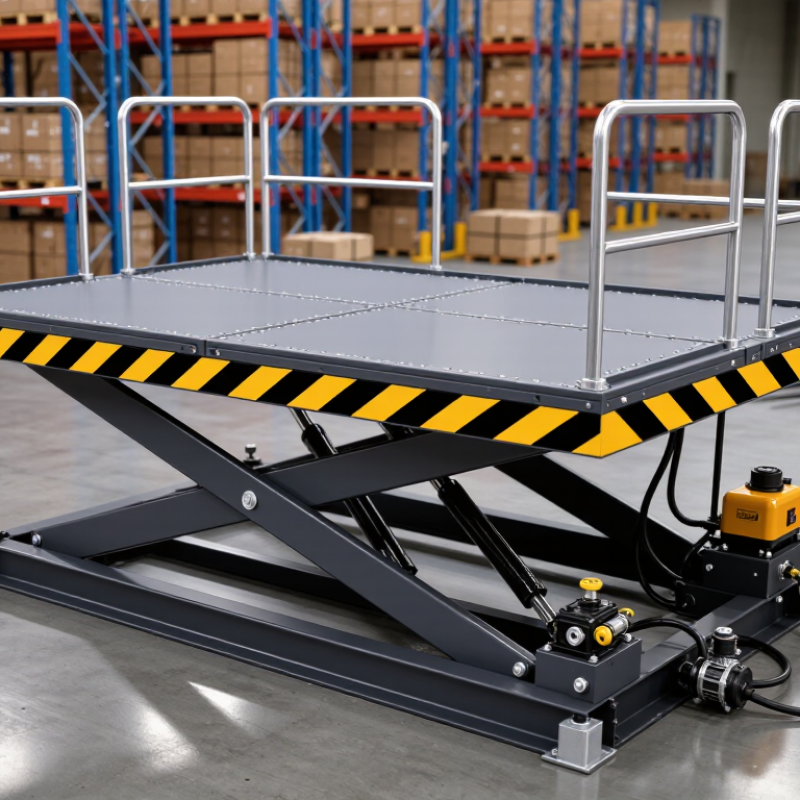
A hydraulic scissor lift table raises loads on a platform using crossed steel arms and a hydraulic cylinder. A pump pushes oil into the cylinder, extending it and opening the scissor mechanism. The platform rises. To lower it, a control valve releases oil back to the reservoir. Depending on the design, the pump may be electric or operated by a foot pedal. That detail matters. A lift table can bring a pallet or heavy component closer to working height, reducing repeated floor-level handling. It does not move the load across the floor like a forklift.
The NIOSH Applications Manual for the Revised NIOSH Lifting Equation (1994) uses a 51-pound (23 kg) load constant under ideal lifting conditions. Reaching, twisting, repetition, and awkward heights lower the recommended limit. A lift table can help keep work near waist height, but it cannot remove every ergonomic risk. Still, the setup is not foolproof. An off-center crate can tilt the platform or shift the load during movement. Operators should check rated capacity, load placement, travel path, and controls before raising the platform. Pinch points around the scissor arms deserve attention, too.
China Top Hydraulic Scissor Lift Table Manufacturers
How China’s Manufacturers Design and Produce Scissor Lift Tables
A scissor lift table begins with a practical question: what load must it raise, and how high? Designers also consider platform size, duty cycle, and the space available beneath the table. These details shape the scissor arms, pivot points, and hydraulic cylinder. Small changes matter. A wider platform, for example, can affect stability and structural loading.
Production typically moves from steel cutting and forming to welding, machining, and assembly. Technicians check welds, pin alignment, and hydraulic connections before testing the lift. During a load test, the platform should rise and lower smoothly, without visible leaning or unusual noise. Clean hydraulic oil matters; contamination can damage valves and shorten component life. Safety features, such as maintenance props and overload protection, also need to match the intended use.
A test is only a snapshot. It cannot fully predict years of use in a dusty warehouse or a damp workshop. Manufacturers should document inspection results and make capacity limits clear to buyers. Yet paperwork alone is not enough. Ask how the table will be used, and check that its operating instructions suit the people who will run it. No design is perfect for every site.
Representative design example: The platform measures 1,300 × 800 mm, with a 190 mm lowered height and a 1,000 mm maximum height. The 810 mm vertical travel is the difference between the two heights. Values illustrate one plausible design, not industry averages or specifications for a particular manufacturer.
Leading manufacturers are distinguished less by catalog size than by consistent control of design, materials, and testing. Ask for rated capacity, platform dimensions, closed height, lift range, and duty cycle in a written specification. These details matter. On a shop floor, a table should rise evenly with an off-center load and stop without noticeable drift. Request model-specific test records, including frame inspections, hydraulic leak checks, and repeated lifting-cycle results. Clear documentation is more useful than broad claims about quality.
Manufacturing depth also shows in how suppliers explain component choices and maintenance needs. A knowledgeable team can clarify cylinder sizing, hose replacement intervals, emergency lowering, and the purpose of safety features. Check whether manuals include wiring diagrams, service steps, and a parts list. Ask how common wear parts are stocked and how technical questions are handled after delivery. Factory visits or live production checks can reveal details that a polished catalog cannot. Still, paperwork alone is not proof; a test report may not reflect the exact unit being shipped. Compare specifications, sample records, and communication quality before judging a manufacturer by price.
| Evaluation Factor | Why It Matters | Evidence to Request | Useful Comparison Points |
|---|---|---|---|
| Safety design and standards | A lifting table must be designed and supplied with safeguards appropriate to its intended use and market. | Applicable standard references, risk assessment, operating instructions, and conformity documentation for the destination market. | Check whether the design addresses applicable requirements such as EN 1570-1 or ANSI MH29.1. Confirm the exact standard and edition relevant to the product and application. |
| Rated capacity and load stability | Capacity alone does not establish suitability; load position, platform size, and application also affect safe operation. | Rated-load data, platform dimensions, load-distribution limits, and test or inspection records for the quoted configuration. | Compare the stated rating and permitted load distribution against the actual load, including any concentrated or off-center loading. |
| Hydraulic system and components | The power unit, cylinders, valves, and hoses affect lifting performance, maintainability, and service needs. | Hydraulic schematic, component specifications, fluid requirements, and recommended inspection and maintenance procedures. | Look for clear component documentation, accessible service points, and a defined maintenance schedule rather than unsupported durability claims. |
| Safety devices and controls | Appropriate controls and protective devices help reduce operating risks during lifting, lowering, and maintenance. | Electrical drawings, control descriptions, and confirmation of applicable features such as an emergency stop, maintenance safety support, or lowering control. | Verify which safeguards are included as standard and which depend on the configuration or application. |
| Manufacturing quality control | Documented production checks can make quality expectations clearer and help identify defects before shipment. | Inspection plans, material or component traceability where applicable, and records of functional and final inspections. | Assess whether checks are documented and linked to the specific order. ISO 9001 certification concerns a quality management system, not product performance by itself. |
| Customization and engineering support | Pit dimensions, platform size, travel, power supply, and operating conditions may require a tailored configuration. | A reviewed specification drawing, confirmed operating conditions, and written approval of any design changes. | Compare the clarity of the design review and the completeness of the final approved specification. |
| Testing and commissioning | A defined test and handover process helps confirm that the delivered unit matches its agreed specification. | Factory inspection or test records, installation requirements, commissioning checklist, and operator documentation. | Check what is tested, what records are supplied, and whether installation or commissioning support is included. |
| Documentation and market compliance | Required documents vary by destination market, product configuration, and intended use. | User and maintenance manuals, parts lists, electrical documents, and applicable declarations or conformity records. | Confirm in advance which documents are required for the destination and that they match the supplied model and configuration. |
| Spare parts and after-sales service | Access to service information and replacement parts can affect maintenance planning and equipment availability. | Parts list, warranty terms, service contact process, and stated availability or lead-time information for common replacement parts. | Compare the written service scope and parts information; do not rely only on general assurances of long-term support. |
| Quotation transparency | A detailed quotation helps prevent misunderstandings about the equipment, accessories, delivery, and exclusions. | Itemized specification, included accessories, packaging and shipping terms, warranty conditions, and stated exclusions. | Compare like-for-like configurations and clarify any differences before evaluating price. |
Note: Requirements depend on the lift design, intended application, and destination market. Verify standards, conformity documents, and technical specifications for the exact model being purchased.
Chinese-made hydraulic scissor lift tables are used where workers need to raise heavy goods to a comfortable, repeatable height. In warehouses, they support pallet transfer, packing, and order picking; on loading docks, they help bridge height differences between vehicles and work areas. Manufacturing plants use them to position parts beside assembly lines, while repair shops use them to raise engines or components. The best fit depends on the load, lift height, platform size, and duty cycle—not country of origin alone.
Demand for faster handling is easy to see in the data. The U.S. Census Bureau estimated 2023 retail e-commerce sales at $1.119 trillion, or 15.4% of total retail sales. That figure does not measure lift-table purchases, but it points to the scale of goods moving through fulfillment facilities. There, a table can reduce repeated bending as cartons move between a pallet and a packing bench. Small details matter. A narrow aisle, uneven floor, or off-center load can make an otherwise suitable unit awkward or unsafe.
For a site assessment, check rated capacity, platform dimensions, lowering controls, and guarding around pinch points. OSHA’s general industry machine-guarding requirements are also relevant where workers could contact moving parts. Chinese-made models may serve these same applications, but specifications and installation quality vary. A practical trial with the heaviest real load is useful; catalog figures alone can miss daily operating problems.
Selecting a Chinese scissor lift table supplier starts with the load, not the catalog photo. Define rated capacity, platform size, lifting height, daily cycles, and floor conditions. A 500-kilogram unit may suit cartons but struggle with an uneven machine load. Ask for a duty-cycle recommendation and the assumptions behind it. Small details matter. Request drawings showing arm thickness, pin dimensions, weld locations, and cylinder arrangement. Check whether overload protection, an emergency stop, and maintenance supports are included or optional. The final configuration should match the quotation.
Then assess evidence, not promises. Ask for load-test reports, hydraulic and electrical schematics, inspection records, and a parts list. Confirm that the documents match the quoted model. If possible, inspect a finished unit under load. Watch for platform drift, rough movement, oil leaks, or unusual noise. A video can help, but it cannot replace an independent inspection. Clarify spare-part lead times, warranty coverage, packaging, and post-shipment technical support. Compare how suppliers answer specific questions. Measured figures are more useful than polished brochures. One point is easy to overlook: no supplier is perfect. Record unresolved issues and agree on acceptance criteria before ordering. It takes time. But rushed checks can leave costly questions unanswered.
Clear specifications, model-specific test records, and consistent explanations matter more than catalog size. Details count.
Ask for rated capacity, platform dimensions, closed height, lift range, and duty cycle in writing. Check each figure against your actual workspace.
It should rise evenly with an off-center load and stop without noticeable drift. Test records should cover repeated lifting cycles and hydraulic leaks.
They may show assembly details that a catalog misses. Paperwork helps, but it does not prove the shipped unit matches the tested sample.
Warehouses use them for packing and order picking. Plants, loading docks, and repair shops use them to position goods or components.
It can raise cartons from pallet height to a packing bench, reducing repeated bending. A narrow aisle may still make the setup awkward.
Check the heaviest load, platform size, lift height, floor condition, and aisle width. Off-center loads can change how a table performs.
Ask about cylinder sizing, hose replacement, emergency lowering, and stocked wear parts. A useful manual includes service steps and parts information. Some details may need clarification.
A Hydraulic Scissor Lift Table uses a hydraulic system to raise and lower a platform supported by linked, crossing arms. As hydraulic pressure moves the mechanism, the platform can lift loads to a suitable working height and lower them in a controlled manner. Chinese manufacturers typically develop these tables by considering load capacity, platform size, lifting range, operating conditions, and safety requirements, then selecting materials and components to match the intended application.
Leading manufacturers can be distinguished by consistent production quality, thoughtful safety features, customization options, and reliable technical support. Chinese-made scissor lift tables are used in settings such as warehouses, factories, workshops, and loading areas to assist with material handling and ergonomic work. When evaluating a supplier, buyers should compare specifications, quality-control practices, certifications relevant to their market, delivery arrangements, warranty terms, and after-sales service. Clear communication about the task, operating environment, and required capacity helps ensure the selected equipment is suitable and dependable.
